Breast Cancer Nutrition: Soy, Sugar, Dairy & Your Questions Answered
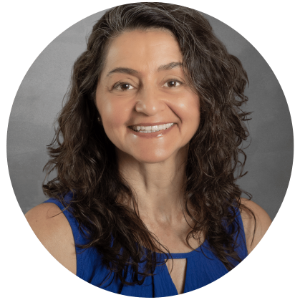
Nov 02, 2026By Dr. Laleh Talebian, Ph.D. From my Beyond the Diagnosis Thursday live.
When someone hears "breast cancer," the cancer becomes the center of everything: the type, the stage, the treatment plan. Those questions matter. But what often gets overlooked is the rest of the person. Her heart, her sleep, her nutrition, her metabolic health. Those systems shape how someone experiences treatment, recovery and survivorship.
Research on roughly 200,000 adults aged 66 and older with breast or prostate cancer found that metabolic syndrome was associated with about twice the adjusted risk of death from any cause. Association isn't causation, but we shouldn't ignore it. Cancer treatment and health building aren't competing conversations. They should work together: treat the disease, and support the person living through it.
Here are my answers to the questions I get asked most.
Is being overweight a risk factor for breast cancer?
Yes. Excess weight is linked to metabolic conditions, high cholesterol and high blood pressure, and obesity has been associated with breast, prostate, endometrial, colon, kidney, pancreatic and liver cancers.
Is being underweight a risk factor?
Not directly. But being severely underweight weakens the immune system and muscle strength, and that affects your body's ability to protect itself. Being underweight isn't healthy, any more than being overweight is. The goal is your optimal weight for your body, age and activity level.
Is soy safe if you've been diagnosed with breast cancer?
It depends. If you've met one person with breast cancer, you've met one person with breast cancer. First, not all soy is equal. When I talk about soy, I mean organic, non-GMO, whole or minimally processed soy, like tofu. Second, and more important, it depends on the characteristics and genetic mutations of that specific breast cancer. Because soy contains isoflavones, it may be helpful for some people and not for others. That's why I look at each person's cancer profile before making food recommendations. This is separate from, and alongside, what your oncology team recommends.
Does sugar feed cancer?
Not in the simple way people think. Sugar doesn't go looking for cancer cells. But excess processed sugar drives weight gain and fat storage, and cancer cells are very good at surviving on minimal resources, including in fat tissue. So sugar indirectly feeds the conditions that disease thrives in.
Should I avoid dairy?
In my practice, yes. Milk is species-specific. Cow's milk carries growth hormones designed to grow a calf into a 2,000-pound cow. With hormone-related cancers like breast cancer, I don't want to add hormones that don't belong in the body. This is my clinical view, and it's one of the first things I talk through with clients.
Is alcohol safe to drink?
In my book, no. Alcohol raises estrogen levels, which matters especially for estrogen-receptor-positive breast cancer and recurrence risk. Most guidelines say to limit it or avoid it. Alcohol is a known carcinogen, and I recommend avoiding it whether or not you have cancer.
Should I take vitamins or supplements during treatment?
It depends on where you are in your journey, which supplements, and what medications you take. My rule of thumb: during treatment, don't take supplements unless an expert has checked that they won't interfere with your treatment. Some high-dose supplements can clash with chemotherapy. I do a medication and supplement safety check with every client I work with, so everything they take has a purpose and does more good than harm.
How much should I exercise?
First, stop calling it exercise and call it play. Find movement you enjoy. The common guideline of 150 minutes a week is better than nothing, but I encourage building up to 30 to 45 minutes of moderate activity, four to five times a week. Start where you are. In a breast cancer research study I was involved in, people who exercised during treatment tended to report less fatigue, nausea, appetite loss and neuropathy.
If breast cancer runs in my family, can lifestyle still help?
Absolutely. Look first at the women on your mother's side: your mother, maternal grandmother, aunts and sisters. Mutations like BRCA1, BRCA2 and p53 can run in families. But predisposition is not destiny.
One client comes to mind. She was diagnosed at 28, and it returned at 33. Her mother was in hospice, and her grandmother had also had breast cancer. She believed this was her fate. The first thing we changed was that belief. Then came action: understanding her genetics, adjusting her food (including questions like soy), and moving every day. Your family history is information we can use. It isn't a sentence.
Are BMI scales accurate?
Not very. BMI is an old, generic formula, and it can label a very muscular person with low body fat as obese. Home BMI and body-fat scales can swing a lot within a single day. In my own experience, my body-fat reading changed by about five percent between morning and evening. If you have one, look at your weight and ignore the rest.
Prefer to watch? See the full episode on YouTube.
Your next step
Every Thursday at 5pm ET, I answer your questions live on Beyond the Diagnosis. Send your questions ahead of time, and I'll answer them first. If you want a plan built around your own diagnosis, genetics, medications and goals, book an Initial Consultation with me.
This article is for education and doesn't replace care from your oncology team. Individual needs vary, so talk with your doctor before making changes.
Overwhelmed by pieces of advice, not a real plan?
Dr. Laleh Talebian, Ph.D. helps you make sense of the fragments (labs, nutrition, strength, lifestyle, and the questions that still don’t fit together), then builds a clear, evidence-informed plan around your situation so you can take the next steps with more clarity, not more noise.
About the Author