Nutrition for Cancer Survivors
Jul 26, 2025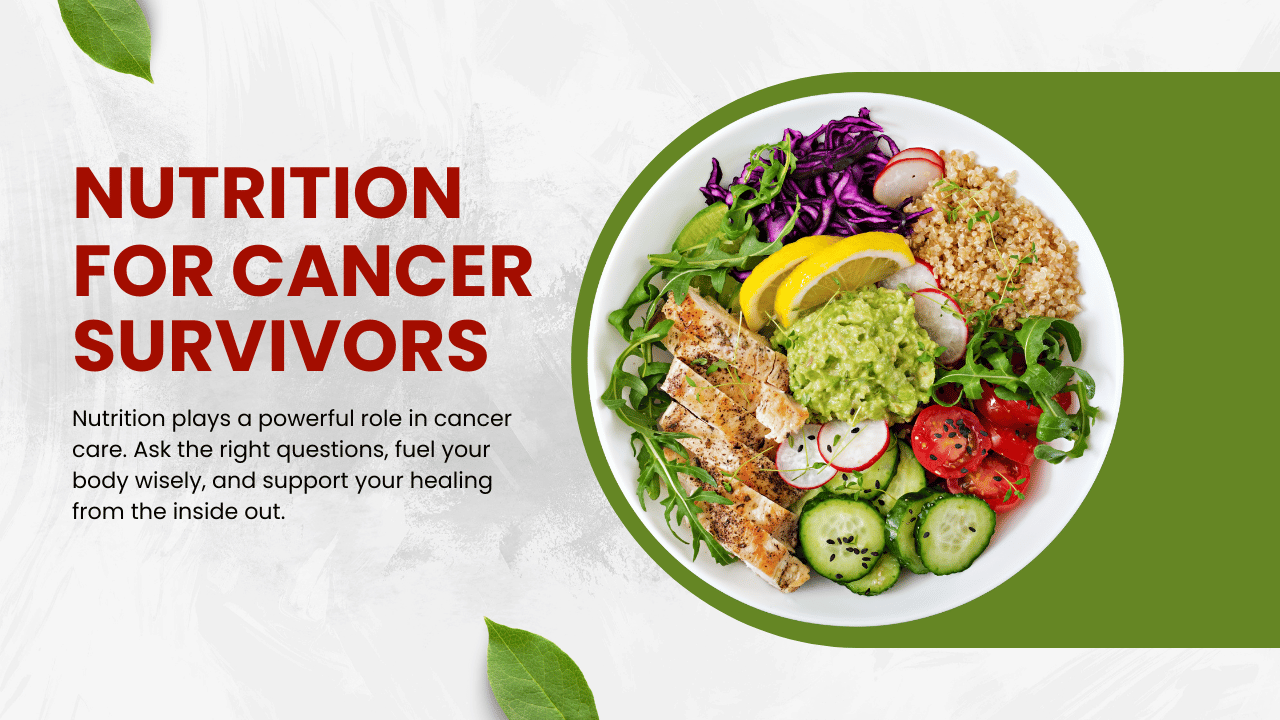
The Crucial Role of Nutrition in a Cancer Journey: What to Ask Your Medical Team
If you or someone you love is navigating a cancer diagnosis, understanding the role of nutrition can make a meaningful difference in your treatment, recovery, and overall well-being.
While conventional treatments like chemotherapy and radiation are central to most cancer care plans, nutrition is a powerful, often underutilized tool for supporting the body through the physical and emotional demands of cancer. Asking the right questions can help you advocate for a more holistic approach to healing.
Key Questions to Ask Your Oncologist or Primary Care Provider
To ensure you’re receiving comprehensive care, consider discussing the following with your medical team:
-
How much training have you had in nutritional oncology? Understanding your provider’s background in this area can help you gauge their ability to support you nutritionally.
-
How do you see diet and micronutrients influencing cancer progression and recovery? This opens the door to a conversation about how food choices can work alongside treatment.
-
Are you skilled at identifying and correcting nutrient deficiencies in cancer patients? Cancer and its treatments can deplete essential nutrients; restoring them may support recovery and resilience.
-
Can you explain how chemotherapy affects my metabolism, mitochondria, and immune system? Knowing how treatment impacts your body helps you make informed decisions about your lifestyle and diet.
-
What is your overall strategy for improving my health during and after treatment? This ensures your care plan looks beyond treatment to long-term health and vitality.
-
What steps can I take to reduce inflammation and strengthen my immune system during treatment? Targeted nutritional strategies may reduce side effects and support your body’s healing process.
-
Should I see a registered dietitian who specializes in oncology? A trained dietitian can provide personalized guidance tailored to your diagnosis, treatment plan, and symptoms.
Quick Tips for Cancer Wellness Through Nutrition
-
Eat the rainbow: Aim for a colorful variety of fruits and vegetables to maximize antioxidants, vitamins, and minerals.
-
Prioritize hydration: Staying well-hydrated supports every system in your body and helps flush treatment byproducts.
-
Incorporate lean proteins: They’re essential for repairing tissues and maintaining strength.
-
Add antioxidant-rich foods: Think berries, leafy greens, and cruciferous vegetables like broccoli and cauliflower.
-
Speak up: Let your care team know if you’re struggling to eat, digest, or maintain weight; they can help.
Remember: Every body—and every cancer—is unique. A supportive, individualized nutrition plan can be a powerful ally in your healing. Don’t hesitate to ask questions, seek second opinions, or bring a nutrition expert onto your care team. You deserve comprehensive, whole-person care.
Overwhelmed by pieces of advice, not a real plan?
Dr. Laleh Talebian, Ph.D. helps you make sense of the fragments (labs, nutrition, strength, lifestyle, and the questions that still don’t fit together), then builds a clear, evidence-informed plan around your situation so you can take the next steps with more clarity, not more noise.
About the Author