Strength, Sleep, and Nutrition With Parkinson’s: What to Understand Beyond Medication
Sep 28, 2026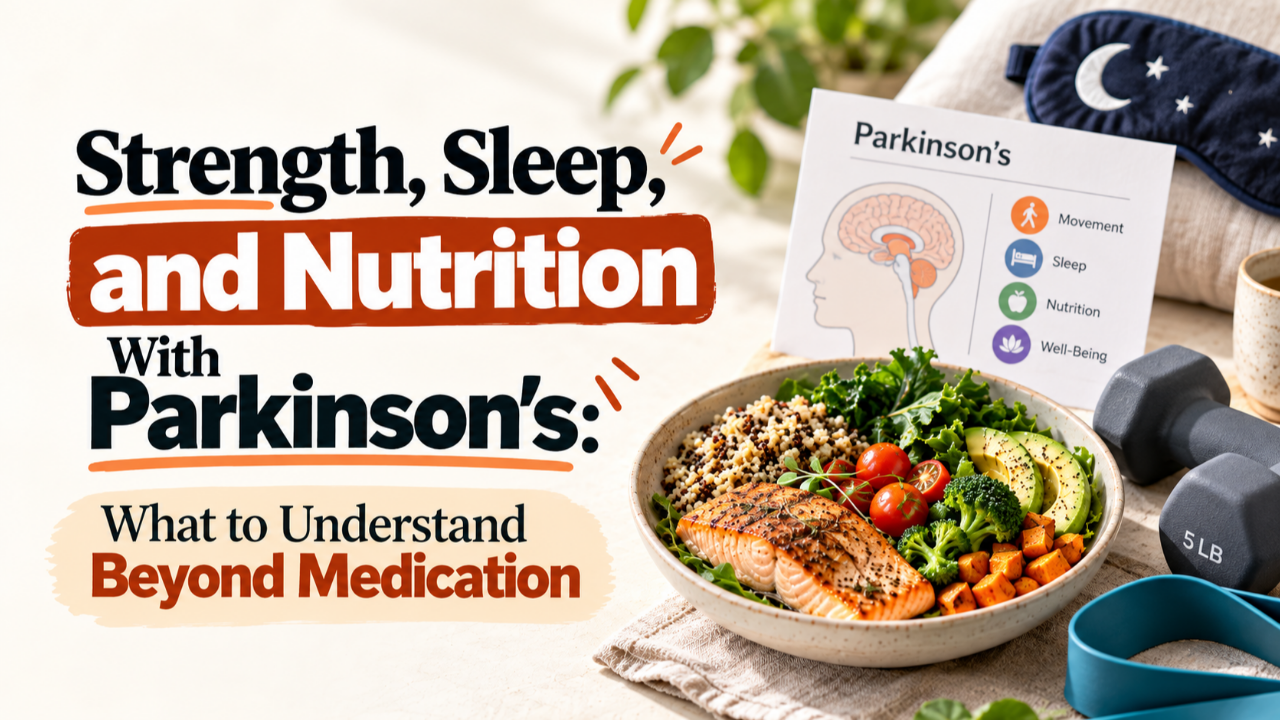
A Parkinson’s diagnosis often arrives with a medication plan and a long list of future worries. What many people receive less clearly is guidance on the everyday levers that still sit in their hands: how they eat, how they protect muscle and balance, how they sleep, and how they sort helpful information from noise. Those areas do not replace anything you choose for your care. They do shape energy, mobility, confidence, and quality of life in ways that deserve careful attention.
Parkinson’s does not look the same in every person. Symptom patterns, progression, medication timing, digestion, sleep quality, mood, and overall metabolic health can differ widely. That is why generic lists of “best Parkinson’s foods” or “must-do exercises” often fall short. Looking beyond the diagnosis means asking which factors matter most in your body, on your schedule, with your goals.
Here are practical points to understand, notice, and ask about as you build a more complete picture.
1. Nutrition is about fueling function, not chasing a trendy protocol.
Appetite changes, slowed digestion, constipation, protein timing around medications, unintended weight loss, and taste changes can all complicate eating. Some people feel better with steadier meal timing. Others struggle with nausea, swallowing comfort, or the effort of cooking. The useful questions are concrete:
- Am I eating enough protein and calories to protect muscle?
- Do meal timing and medication timing conflict in ways that leave me under-fueled?
- Are constipation, reflux, or bloating quietly limiting what I can tolerate?
- Have supplements piled up without a clear reason for each one?
- What are some important things I need to know about supplement and medication interactions for me before taking any supplements?
A personalized nutrition conversation looks at these patterns rather than handing you a single “Parkinson’s diet.” Lifestyle-first, integrative, and conventional preferences can all fit inside that investigation, depending on what you want and what your situation requires.
2. Strength and movement support independence.
Muscle loss and reduced power can make daily tasks feel harder even when tremor or stiffness get most of the attention. Balance practice, resistance work scaled to your ability, and consistent walking or mobility routines can support posture, confidence, and fall awareness. This is not about becoming an athlete overnight. It is about noticing whether you are avoiding stairs, sitting more hours than before, or losing grip and leg strength, then choosing movement that is safe and sustainable for you. Fatigue and “on/off” medication windows matter too. The best plan is the one you can repeat, not the one that looks impressive on social media.
3. Sleep is a major quality-of-life lever.
Fragmented sleep, vivid dreams, restless legs, night-time bathroom trips, and early waking are common complaints. Poor sleep can amplify daytime fatigue, mood strain, and how hard movement feels the next day. Tracking a simple sleep story for two weeks (bedtime, wake time, night awakenings, caffeine timing, evening screen load, and how rested you feel) often reveals patterns worth addressing. Sleep support can include routine changes, environment tweaks, review of stimulating supplements or late meals, and conversations about options that fit your values. Treating sleep as optional self-care underestimates how central it is to daily function.
4. Stress, inflammation load, and total lifestyle add up.
Caregiving stress, social isolation, reduced outdoor time, and constant decision fatigue can sit beside the neurological diagnosis and still affect how you feel. Likewise, unresolved metabolic issues, nutrient gaps, or medication side effects may influence energy and digestion. You do not need to fix everything at once. You do benefit from a clearer map of what is in play. Asking “What else could be contributing to how I feel this month?” keeps the focus on investigation rather than self-blame.
5. Same diagnosis, different biology, different priorities.
One person may need help protecting weight and muscle. Another may need help with sleep and constipation first. Someone else may want a careful review of supplements that were added one by one over years. Dr. Laleh Talebian, Ph.D., brings a background in molecular and cellular biology and neuroscience research to this kind of personalized, evidence-informed work. The aim is not a one-size-fits-all protocol. It is more understanding, more options, and a more informed you.
6. Harness the power of neuroplasticity to significantly improve your outcomes and quality of life.
Neuroplasticity is the brain’s lifelong ability to form new connections and strengthen existing pathways in response to what you repeatedly practice. Parkinson’s changes how certain movement circuits work, but it does not switch off the brain’s capacity to adapt. Research on exercise and rehabilitation suggests that movement that is regular, purposeful, progressively challenging, and paired with focused attention may help the brain use its available pathways more effectively. In everyday life, that can look like practicing bigger steps and arm swings, rehearsing balance and turning drills, learning a dance or rhythm-based activity, speaking with deliberate volume, or pairing walking with a simple thinking task. Aerobic activity, restorative sleep, steady nutrition, social connection, and a sense of purpose all help create the conditions in which the brain can keep learning. Progress is often gradual, and consistency matters more than intensity on any single day. Working with a physical therapist, speech therapist, or other qualified professional can help you choose activities that are safe, specific to your goals, and timed around your medication “on” periods.
You can learn more about how this support is framed on the Parkinson’s Support page. When you want a conversation centered on your history, goals, and what may matter most for you, you can schedule an Initial Consultation. You may also browse services if you prefer to review options first.
Your tomorrow still holds possibilities. Strength, sleep, and nutrition will not erase Parkinson’s, and no honest educator should claim otherwise. They can still become part of a clearer, more personalized plan for the life you want to live.
Educational Disclaimer: This article is for educational purposes only and is not medical advice, diagnosis, or treatment. Use your own informed judgment and the professionals you choose to involve for recommendations specific to your situation. If you take prescription medications, do not start, stop, or change them without guidance from the clinician who prescribed them.
Overwhelmed by pieces of advice, not a real plan?
Dr. Laleh Talebian, Ph.D. helps you make sense of the fragments (labs, nutrition, strength, lifestyle, and the questions that still don’t fit together), then builds a clear, evidence-informed plan around your situation so you can take the next steps with more clarity, not more noise.
About the Author