The Truth About DNA Testing for Weight Loss - What the Science Really Shows
May 21, 2026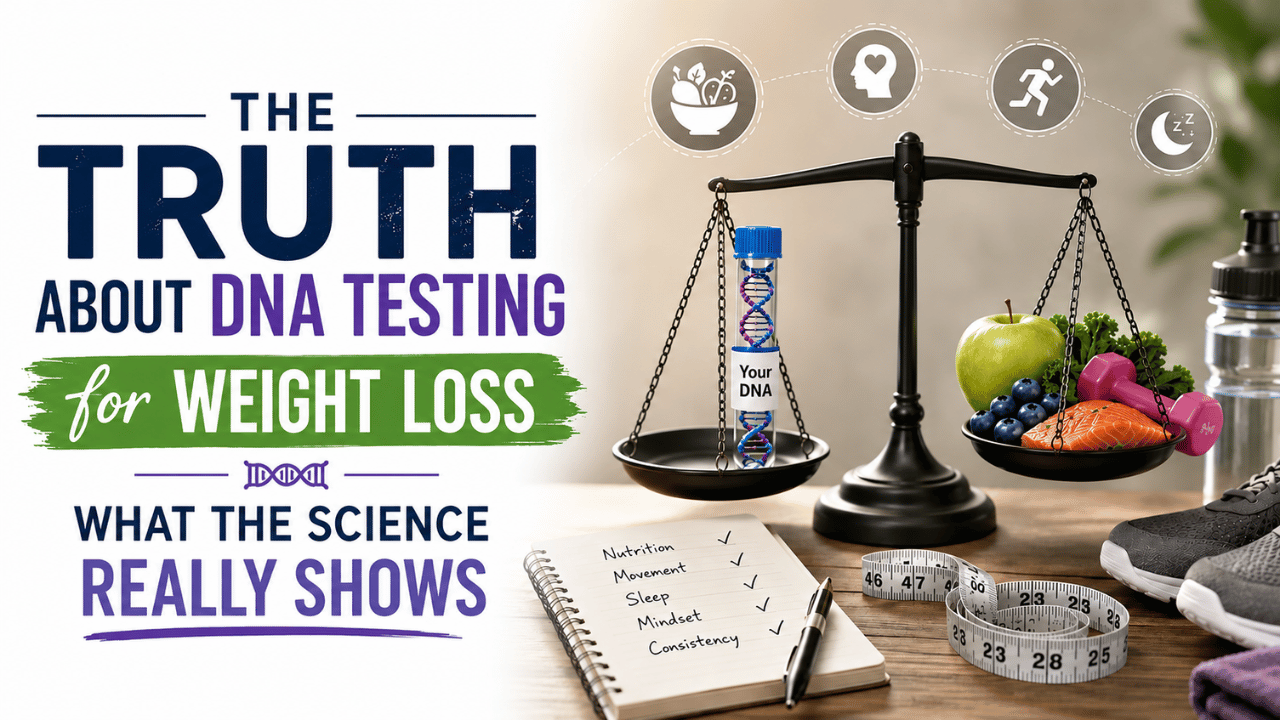
You've probably seen the advertisements: "Unlock your genetic code to lose weight!" "Personalized nutrition based on your DNA!" Gene-based weight loss programs promise a revolutionary approach to shedding pounds by tailoring diet and exercise to your unique genetic makeup.
But does the science support these claims?
A groundbreaking 12-month randomized controlled trial recently examined whether DNA-based nutrition recommendations actually outperform standard weight loss advice. The results might surprise you.
What the Researchers Tested
Scientists studied 52 adults with overweight or obesity in the Philippines, dividing them into two groups. One group received personalized recommendations based on genetic testing for three obesity-related genes (FTO, UCP1, and TCF7L2). The other group received standard weight loss counseling.
The gene-based group received customized advice such as:
- Specific daily activity targets for those carrying the FTO gene variant
- Reduced calorie goals for UCP1 carriers
- Lower fat intake recommendations for TCF7L2 carriers
Both groups received regular counseling sessions over six months, followed by a six-month follow-up period.
The Surprising Results
After 12 months, both groups lost approximately 6.5% of their body weight. However, there were no meaningful differences between the DNA-based and standard approaches in:
- Weight loss
- BMI reduction
- Waist circumference
- Body fat percentage
- Blood sugar control
- Cholesterol levels
While the gene-based group showed some reductions in reported calorie intake at certain timepoints, these changes didn't translate into superior weight loss or metabolic improvements.
What This Means for You
The study reveals an important truth: genetic testing alone may not be the magic bullet for weight loss. Several factors likely contributed to the similar outcomes:
Low Adherence Was Key: Both groups struggled to consistently follow their prescribed diet and activity recommendations, regardless of whether they were personalized to genetics or not.
Weight Loss Is Complex: Your genes are just one piece of a much larger puzzle that includes metabolic health, readiness for change, environmental factors, stress levels, sleep quality, and consistent lifestyle habits.
The Real Power Is in the Process: Both groups received structured support, regular monitoring, and evidence-based nutrition counseling. These elements—not the genetic customization—may have driven the results.
The Bottom Line
This doesn't mean genetics don't matter. Your genes absolutely influence how your body responds to food and exercise. However, this research suggests that simply knowing your genetic variants and receiving slightly modified recommendations may not be enough to produce dramatically different results.
Instead, focus on what we know works:
- Consistent calorie reduction tailored to your individual needs
- Regular physical activity you can sustain long-term
- Whole foods-based nutrition
- Adequate sleep and stress management
- Ongoing support and accountability
The truth is, there's no shortcut to sustainable weight loss—genetic or otherwise. The fundamentals still apply: personalized support, evidence-based nutrition, realistic goals, and commitment to long-term behavior change.
If you're considering DNA testing for weight management, view it as one tool among many—not a complete solution. The most powerful "prescription" remains a comprehensive approach that addresses your unique lifestyle, preferences, metabolic health, and readiness for change.
Overwhelmed by pieces of advice, not a real plan?
Dr. Laleh Talebian, Ph.D. helps you make sense of the fragments (labs, nutrition, strength, lifestyle, and the questions that still don’t fit together), then builds a clear, evidence-informed plan around your situation so you can take the next steps with more clarity, not more noise.
About the Author