What Yoga Can Do for Brain Health—Especially as We Age
Dec 18, 2025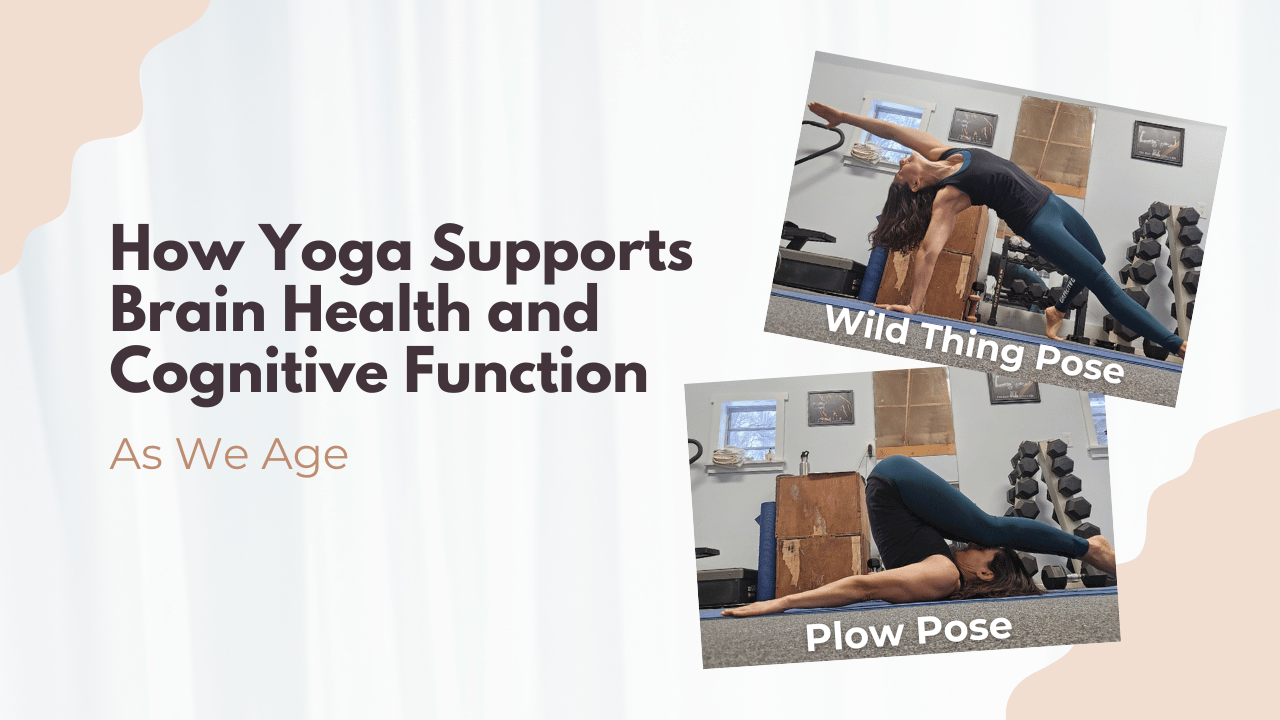
Why we all need YOGA
Yoga can be a powerful, low-risk way to support brain health as we age, including and especially for people living with Parkinson’s. This study looked at how a gentle Hatha yoga program affected thinking skills like attention, memory, and reasoning in older adults over 12 weeks.
What the study did
Researchers worked with 45 adults aged 65–80 living in a retirement home and randomly assigned them to one of three groups: yoga, light physical activity (basketball-based movement), or no structured activity. All groups were similar at the start in age, education, and baseline cognitive scores.
The yoga group attended two 45 minute Hatha yoga classes per week for 12 weeks, including seated and standing postures plus breathing practices; the physical activity group did low intensity basketball drills, and the control group continued their usual routines. Cognitive tests were given before and after the 12 weeks to measure attention (speed/symbol coding), memory (a spatial paperfolding task), and reasoning (Raven’s matrices).
Key results
After 12 weeks, the yoga group showed significantly greater improvement in all three areas—attention, memory, and reasoning—compared with their own baseline and compared with the other two groups.
The gains were especially strong for attention and reasoning, where yoga outperformed both the physical activity and control groups, suggesting that yoga offers unique cognitive benefits beyond general movement.
Even memory, which improved somewhat in all groups over time, improved more in the yoga group than in the control group, with medium-to-large effect sizes that are considered meaningful in aging research. No adverse events were reported, indicating that this style of yoga was safe and well tolerated for older adults over the 12 week period.
Why this matters for Parkinson’s
Although the study participants did not have Parkinson’s, they were in the age range where cognitive changes are common, and the domains improved by yoga—attention, memory, and reasoning—are the same areas often challenged in Parkinson’s. The findings support using chair adapted or gentle Hatha yoga twice per week as a realistic, nondrug strategy to help maintain or improve thinking skills alongside other Parkinson’s therapies.
The authors conclude that yoga is a promising, cost effective option for group classes in retirement or community settings and recommend longer and larger studies to confirm how sustained practice influences brain aging.
How Dr. Laleh Personally Uses Yoga to Support Health & Balance
For many people chasing “health and fitness,” the default is to push harder—more weight, more miles, more grind. For me, real health has always meant something different: building strength, protecting my brain, and feeling good in my body for the long haul. That’s why, after more than 20 years of training, my focus is not just on muscle—but on mobility, nervous‑system health, and a deeply sane relationship with food.
My lifestyle is a whole ecosystem:
- Strength training to stay strong, insulin‑sensitive, and metabolically resilient
- Daily movement—walking, hiking, biking—for cardiovascular health, mood, and stress relief
- Short yoga sessions after workouts for mobility, recovery, and a nervous‑system “reset”
- One longer, restorative yoga practice each week to truly downshift and repair
- Nourishing, intentional nutrition and a healthy relationship with food to support hormones, brain health, and longevity
This isn’t just personal preference; it is exactly the kind of pattern research is starting to validate.
Two poses, one powerful reset
Wild Thing (Camatkarasana) - Wild Thing opens my chest, hip flexors, and entire front body, perfect for counteracting all the pressing, driving, and sitting that come with strength training and modern life. This pose reminds my body to stay open, confident, and strong.
Plow Pose (Halasana) - Plow Pose creates the opposite shape. It gently folds me inward, decompresses the spine, lengthens the entire back line of the body, and calms the nervous system. It's my personal "reset button" after a big training week.
Overwhelmed by pieces of advice, not a real plan?
Dr. Laleh Talebian, Ph.D. helps you make sense of the fragments (labs, nutrition, strength, lifestyle, and the questions that still don’t fit together), then builds a clear, evidence-informed plan around your situation so you can take the next steps with more clarity, not more noise.
About the Author