Why I Tell My Clients to Ditch Cracked Plastic Containers
Jun 10, 2026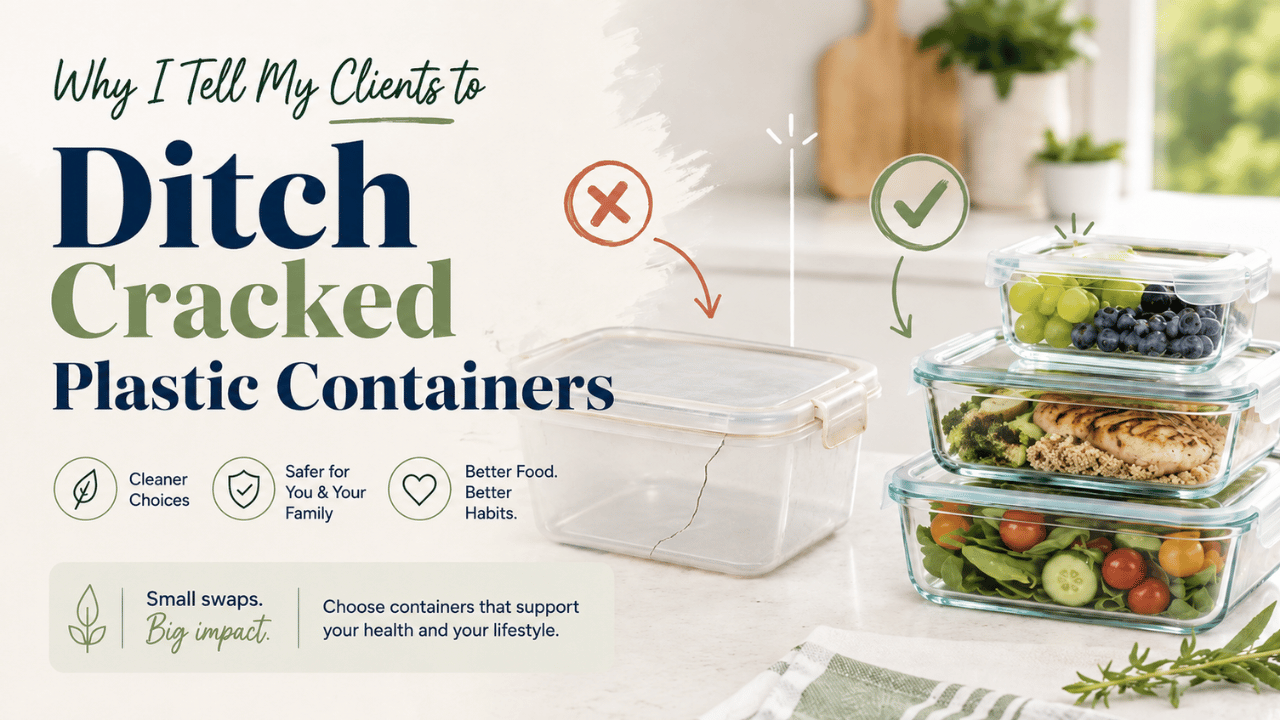
A recent headline made a simple point worth paying attention to: if your plastic food containers are cracked, cloudy, or worn out, it may be time to let them go. In functional medicine, we often look at health through the lens of total body burden, which means paying attention not only to what we eat, but also to what we’re exposed to every day. Plastic containers may seem harmless, but damage, heat, and repeated use can increase the chance that unwanted chemicals or particles end up in your food.
That matters because our kitchen habits are one of the easiest places to reduce exposure without turning life upside down. Heating food in plastic, storing hot leftovers in plastic, or reusing scratched containers can increase concern about chemical leaching, especially with plastics that are old or degraded. Even though scientists continue to study how much microplastics and related chemicals affect human health, many experts agree that reducing unnecessary exposure is a smart, low-risk step.
From a nutritional healing perspective, this is not about fear. It is about reducing the background load your body has to manage so your systems can focus on repair, metabolism, hormone balance, and detoxification. When I work with clients, I look for the small, sustainable changes that create meaningful results over time. Replacing old plastic containers with glass or stainless steel is one of those changes.
What to do instead
Here are the swaps I recommend most often:
- Use glass or stainless steel for food storage, especially for hot foods.
- Avoid microwaving food in plastic when you can.
- Toss cracked, scratched, cloudy, or warped plastic containers.
- Avoid storing oily foods in plastic when possible.
- Choose safer containers for leftovers, meal prep, and lunches.
These changes are simple, but they add up. Heat, fat, and repeated wear can all influence how easily chemicals migrate from containers into food, which is why many clinicians and public health experts recommend a “better safe than sorry” approach. Regulatory agencies continue to monitor research on microplastics and food, but in the meantime, it makes sense to reduce exposure where it’s easy to do so. That leaves room for a common-sense approach: focus on the habits you can control and upgrade them over time.
Why this fits my work
This is exactly the kind of issue I help people navigate in my practice. Many of my clients are already doing a lot right, but they still feel stuck, inflamed, fatigued, hormonally off, or like something is being missed. Sometimes the answer is not another prescription or a more complicated protocol. Sometimes it starts with the environment around the food, the way the food is stored, and the daily habits that shape long-term health.
That is where precision matters. I look at the whole picture: diet, labs, symptoms, lifestyle, genetics, and toxic exposures. When we reduce avoidable stressors and support the body with personalized nutrition, we create better conditions for healing. That is the heart of my work and the reason I built The Precision Empowerment Pathway™.
A simple next step
So yes, cracked plastic containers deserve a second look. Not because panic helps anyone, but because informed choices empower us to make better ones. If your goal is to feel better, reduce inflammation, and support long-term resilience, this is a small change with a big message: your kitchen can either add to your body’s burden or help lighten it.
If you’re curious where to start, one of the easiest first steps is a “kitchen audit” as part of a comprehensive health review. That’s exactly what I guide my clients through: from food and labs to storage and lifestyle, we map out a precise, doable plan to support your body’s natural ability to heal.
Overwhelmed by pieces of advice, not a real plan?
Dr. Laleh Talebian, Ph.D. helps you make sense of the fragments (labs, nutrition, strength, lifestyle, and the questions that still don’t fit together), then builds a clear, evidence-informed plan around your situation so you can take the next steps with more clarity, not more noise.
About the Author