Your Diagnosis Is Not the End of the Story: 5 Questions Worth Asking Next
Sep 12, 2026
A diagnosis can bring relief because something finally has a name.
It can also bring fear, confusion and a flood of instructions: medications, appointments, procedures, dietary advice, things to avoid and things to monitor.
And somewhere in all of that, an important question can get lost:
What else do I need to understand about my health now?
A diagnosis tells us something important about what has been identified. But it does not necessarily explain every factor influencing your health, your resilience, your symptoms or your future trajectory.
That does not mean your medical treatment is unimportant.
It means treatment and health building are not always the same conversation.
Here are five questions worth asking.
1. What might be influencing the bigger picture?
Chronic disease rarely exists in a vacuum.
Nutrition, metabolic health, sleep, physical activity, muscle mass, medications, genetics, environmental factors, stress, and other aspects of your health may all deserve consideration depending on your condition.
That does not mean one of these things “caused” your disease.
It means your diagnosis does not have to end your curiosity about the biological environment in which that disease is occurring.
Instead of searching for one magical root cause, ask:
What factors in my individual health story are actually worth investigating?
2. What can I still influence?
This may be one of the most important questions after a diagnosis.
Not everything is within our control. Good health information should never pretend otherwise.
But that does not mean nothing is.
Depending on your condition and treatment, there may be opportunities to support nutrition, strength, mobility, sleep, metabolic health, cardiovascular fitness, treatment tolerance or other areas of health.
The goal is not to convince yourself that you can control every outcome.
The goal is to identify where informed participation is still possible.
3. What are my numbers doing over time?
One laboratory result is a snapshot.
Your health story is a movie.
Ask to understand the trends in your relevant biomarkers rather than simply hearing that something is “normal,” “high” or “low.”
What changed before the diagnosis?
What is changing now?
What deserves monitoring because of your condition, treatment, medications or family history?
Numbers need clinical context, and the right interpretation will be different from person to person. But understanding your own trends can help you have much more productive conversations with your healthcare team.
4. What is my treatment doing, and what is it not designed to do?
Medications and medical treatments can be necessary, effective, and sometimes lifesaving.
Understanding them is part of taking ownership of your health.
Ask:
What is this treatment designed to accomplish?
How will we know whether it is working?
What side effects or changes should I report?
Could it affect appetite, digestion, sleep, energy, body composition or nutrient needs?
Are there supplements, foods or over-the-counter products that could interact with it?
Taking an active role does not mean rejecting medicine.
You can respect medicine without surrendering responsibility for understanding your own health.
5. Does my plan reflect my biology, or just my diagnosis?
Two people can share the same diagnosis and still be very different people.
They may have different medications, symptoms, genetics, nutritional needs, body composition, laboratory patterns, activity levels, treatment histories, and goals.
That is why generic advice has limits.
“Eat healthier.”
“Exercise more.”
“Lose weight.”
“Take this supplement.”
Those recommendations may sound simple, but the more useful question is:
What matters most for me, given my condition, my treatment, and my biology?
That is where investigation becomes personalization.
Your diagnosis should begin a deeper conversation
Receiving excellent medical care and becoming an informed participant in your own health are not competing ideas.
You can do both.
You can ask better questions.
You can understand what your treatment is doing.
You can learn what your biomarkers mean.
You can investigate factors that may be relevant to your health.
And you can work with qualified professionals to determine what can safely be supported or changed.
The goal is not to chase miracle protocols or assume that every illness can be controlled through lifestyle.
The goal is much more grounded:
Understand more about the body you are living in so you can make more intelligent decisions about the health you are building.
Before your next healthcare appointment, write down these three questions:
What are we treating?
What else should I be paying attention to?
What can I safely influence from here?
Because your diagnosis is important information.
It does not have to be the end of the investigation.
Overwhelmed by pieces of advice, not a real plan?
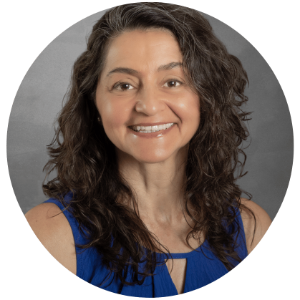
Dr. Laleh Talebian, Ph.D. helps you make sense of the fragments (labs, nutrition, strength, lifestyle, and the questions that still don’t fit together), then builds a clear, evidence-informed plan around your situation so you can take the next steps with more clarity, not more noise.
About the Author