
Potassium & Kidney Health: What to Eat, What to Avoid, and Who Needs to Be Careful
Aug 09, 2026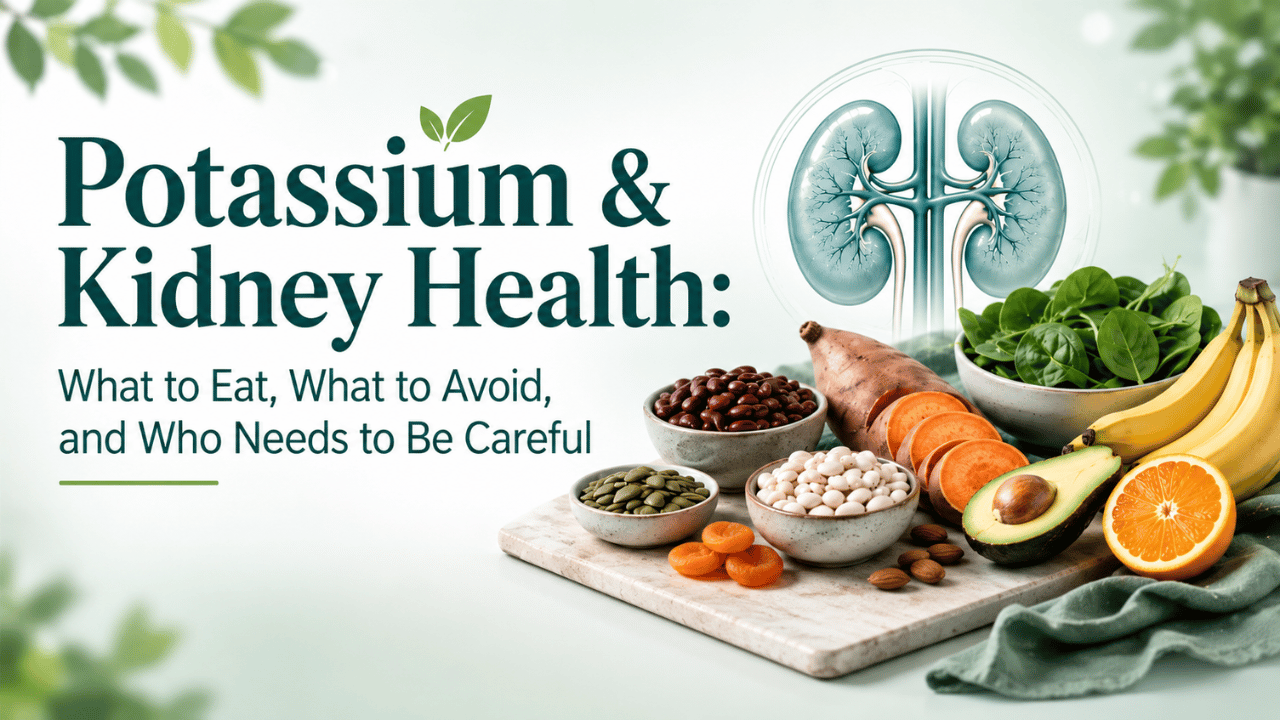
If you’ve been focusing on your heart, blood sugar, or hormones but rarely think about your kidneys, you’re not alone, but your kidneys are quietly working for you all day long. They filter your blood, move out waste and excess fluid, and help maintain the right balance of minerals like sodium, calcium, and potassium so your nerves, muscles, and tissues can function properly.
Today I want to highlight one underappreciated nutrient that can make a big difference for your kidneys: potassium. Used wisely, potassium can support healthier blood pressure, help lower long-term kidney disease risk, and even reduce the chance of kidney stones.
Why Potassium Matters for Your Kidneys
When most people hear “potassium,” they think “bananas,” and maybe that’s where the conversation ends. But potassium does far more than that:
- It helps keep blood pressure in a healthy range, protecting the tiny filtering units inside your kidneys.
- Higher potassium intake in generally healthy people is associated with a lower risk of developing chronic kidney disease over time.
- Potassium, especially potassium citrate, can help reduce kidney stone formation by shifting urine chemistry so crystals are less likely to form.
Because high blood pressure and diabetes are two of the leading drivers of kidney damage, anything that stabilizes blood pressure and blood sugar is a win for your kidneys. Potassium-rich whole foods can be a powerful part of that strategy when tailored to your unique body and labs.
A Critical Caution Before You Load Up
As with any nutrient, context matters.
If your kidneys are healthy, adding potassium-rich foods is generally beneficial and protective. But if you have chronic kidney disease or reduced kidney function, your body may not clear potassium efficiently. In that situation, too much potassium can become dangerous and may trigger nausea, muscle weakness, or serious heart rhythm problems.
If you:
- Have chronic kidney disease
- Are on dialysis
- Take certain blood pressure medications
- Have heart failure
You must speak with your medical provider or kidney-trained dietitian before increasing potassium or using potassium-based supplements. This is an area where individualized guidance is essential, not optional.
Simple Food-As-Medicine Tips to Support Kidney Health
You don’t have to overhaul your life overnight to begin protecting your kidneys. Here are some practical steps you can take this week.
- Add One Potassium-Rich Whole Food Per Meal (If Your Kidneys Are Healthy)
Whole, minimally processed plant foods are one of the safest ways to bring potassium into your routine. Grain-free, dairy-free options include:
- Potatoes (baked or boiled with the skin), a medium baked potato can provide close to 1,000 mg of potassium.
- Avocado slices on salads, omelets, or lettuce wraps.
- Tomatoes and tomato products (sauce, salsa) paired with beans or lentils.
- Beans of any kind, black beans, white beans, kidney beans, added to soups, salads, or vegetable sautés.
Example:
- Breakfast: Vegetable omelet with avocado and tomato on the side.
- Lunch: Large mixed greens salad topped with beans, avocado, tomatoes, cucumbers, and olive oil.
- Dinner: Baked potato stuffed with sautéed spinach and beans, plus a side of roasted non-starchy vegetables.
This pattern supplies steady potassium along with fiber, antioxidants, and blood-sugar support, true food-as-medicine synergy.
- Hydrate Strategically for Stone Prevention
Kidney stones form more easily when your urine is concentrated, and mineral crystals can clump together. Potassium-rich fruits and vegetables naturally increase both fluid intake and urine volume, helping dilute those minerals.
You can:
- Drink water consistently throughout the day, not just in the evening.
- Use herbal teas or infused water (cucumber, lemon, mint, berries) for variety.
Aim to carry a reusable bottle and finish it several times through the day, as long as your provider has not given you fluid restrictions. For an easy way to stay on track, you can order your DNA Wellness Bottle through Strong Rabbit Designs and turn hydration into a daily reminder of your commitment to health.
- Protect Your Kidneys from Everyday “Stressors”
Some of the most common kidney stressors come from everyday habits.
- Use over-the-counter pain medications (especially NSAIDs) cautiously and check with your clinician if you rely on them regularly.
- Be selective with supplements and herbal products; contaminants or poorly regulated ingredients can quietly damage kidney tissue.
- Avoid tobacco and recreational drugs that strain your cardiovascular system and, in turn, your kidneys.
A simple starting point is a “medicine cabinet audit” to see which products you’re using frequently and whether they might be putting extra pressure on your kidneys.
- Stabilize Blood Pressure and Blood Sugar with Your Plate
High blood pressure and diabetes are top drivers of kidney disease, and both are highly influenced by daily food choices.
Without grains or dairy, you can:
- Build meals around non-starchy vegetables (leafy greens, crucifers, peppers, zucchini), quality proteins (eggs, poultry, fish, shellfish, tofu if tolerated), and healthy fats (olive oil, avocado, nuts, seeds).
- Use beans, lentils, and root vegetables (carrots, beets, sweet potatoes) as your main carbohydrate sources, balancing portions based on your blood sugar response.
- Limit heavily processed foods high in sodium, added sugars, and refined starches, which can spike blood pressure and blood sugar.
Daily movement, like a 20–30 minute walk, adds another layer of protection for both blood pressure and blood sugar.
Quick Reference: Kidney-Loving Habits
- Potassium-rich whole foods (if kidneys are healthy)
- Supports healthy blood pressure and lowers long-term kidney disease risk.
- Plenty of fluids via water and produce
- Dilutes urine and helps reduce kidney stone formation.
- Cautious NSAID and supplement use
- Reduces risk of hidden kidney damage from medications or contaminants.
- Blood pressure and blood sugar monitoring
- Addresses major drivers of kidney damage early.
- Regular movement and weight management
- Improves cardiovascular health and reduces kidney strain.
If You Already Have Kidney Concerns
If you’ve been told you have chronic kidney disease, borderline labs, or a history of stones, your potassium and overall nutrition strategy must be individualized. Some people with CKD need to limit potassium, while others need more; the right answer depends on your labs, medications, and stage of disease.
A precision, food-as-medicine approach can help you:
- Review lab work, medications, and, if available, genetic insights.
- Decide whether potassium should be increased, decreased, or kept stable.
- Design healthy meals you enjoy that support both kidney health and whole-body resilience.
You deserve more than generic handouts, you deserve a tailored plan and a partner who listens.
If you’re wondering whether your current nutrition is protecting or stressing your kidneys, or you’ve been told to “watch your numbers” without a clear plan. I invite you to reach out. Together, we can turn vague instructions into a precise, empowering strategy you can follow with confidence.
About the Author
Dr. Laleh Talebian, Ph.D., is a molecular biologist and the founder of DNA Wellness. She helps people navigating cancer, Parkinson’s, metabolic disease, and other complex conditions understand the broader health picture and build practical, evidence-informed next steps through a personalized, holistic approach.
