
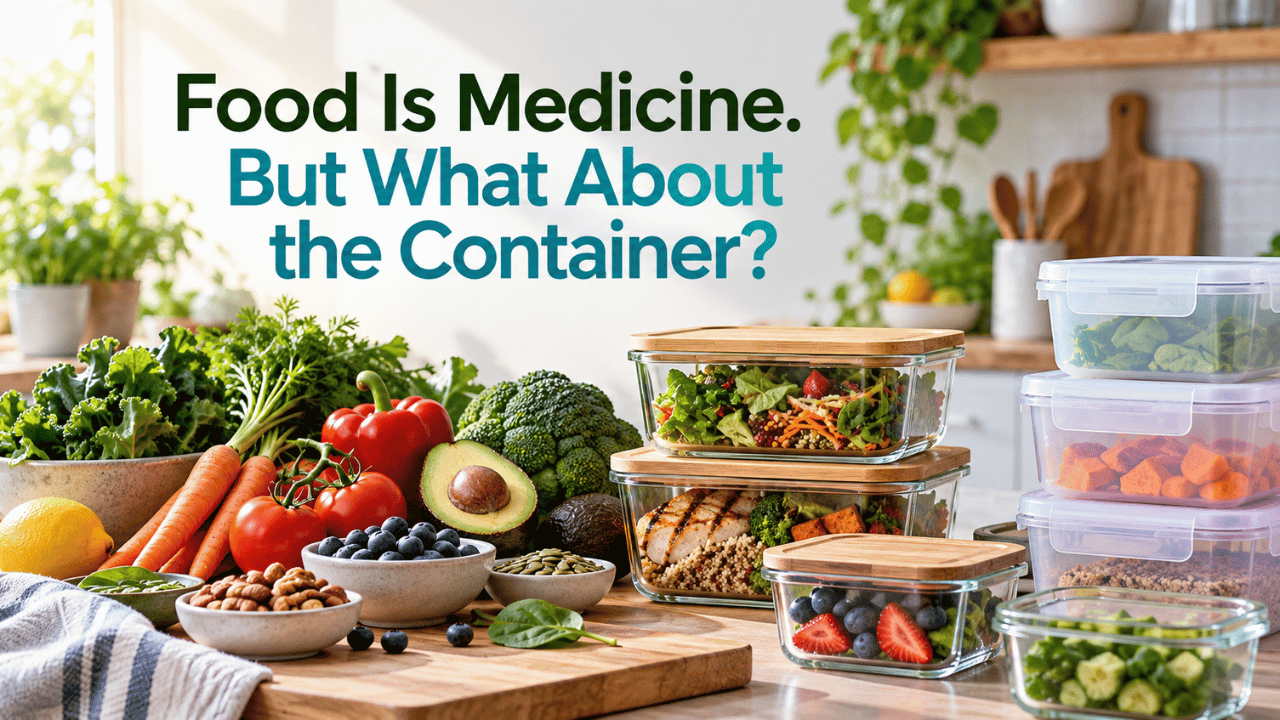
You've heard me say it a hundred times: food is medicine. But here's the piece most wellness advice leaves out: it's not just what you eat. It's what your food has been sitting in, wrapped in, and microwaved in before it ever reaches your plate.
New research is confirming something I've watched pl...
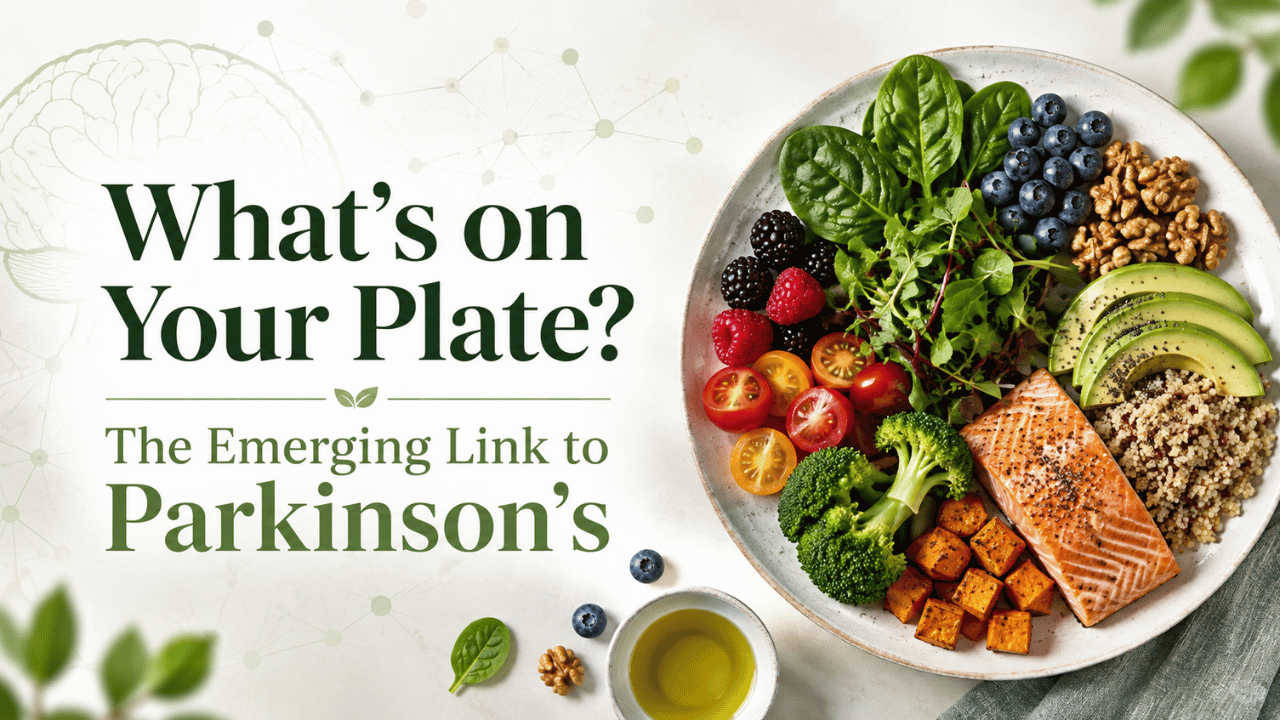
When we talk about food and Parkinson’s, it’s important to start with what we don’t know: no single food causes Parkinson’s disease, and no single way of eating can guarantee prevention.
But emerging research gives us another meaningful reason to look at the role ultra-processed foods may play in ...
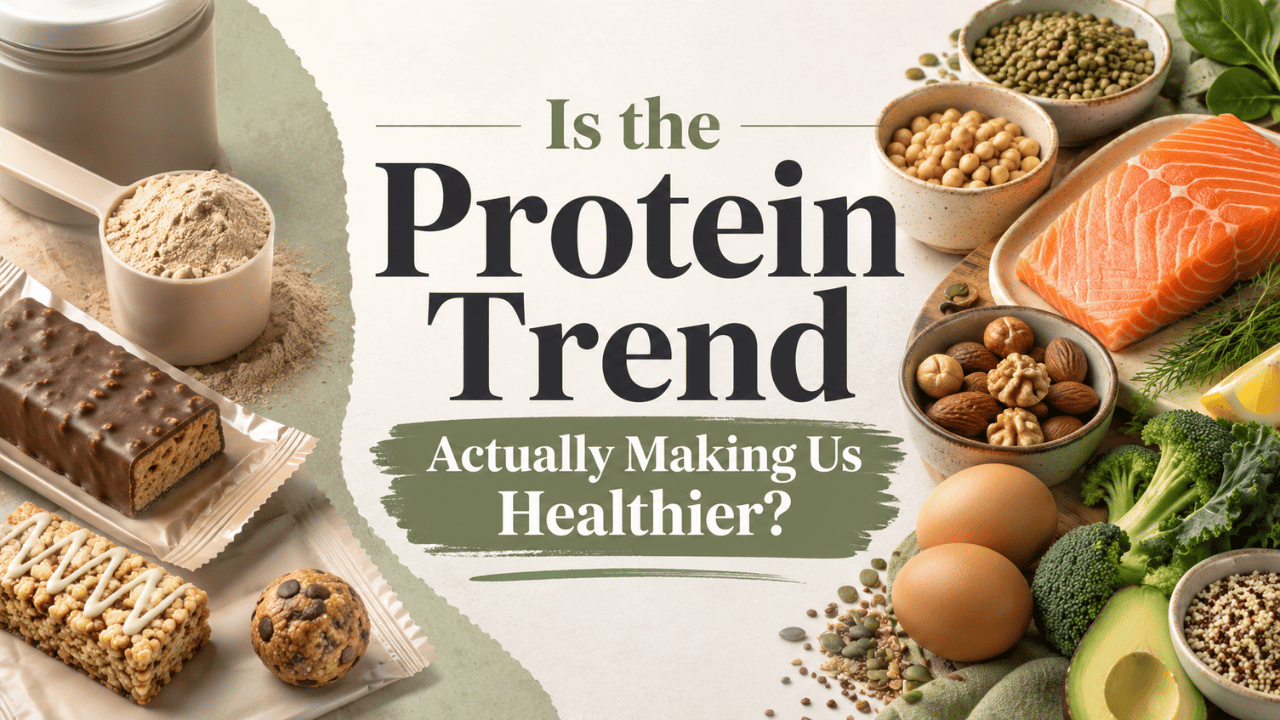
Everyone is talking about protein. It is on the front of chip bags, mixed into coffee creamers, stamped across candy bars, and marketed as the answer to almost every health concern. And yet, despite eating more protein than ever, Americans are not getting healthier.
That disconnect is not a coinc...
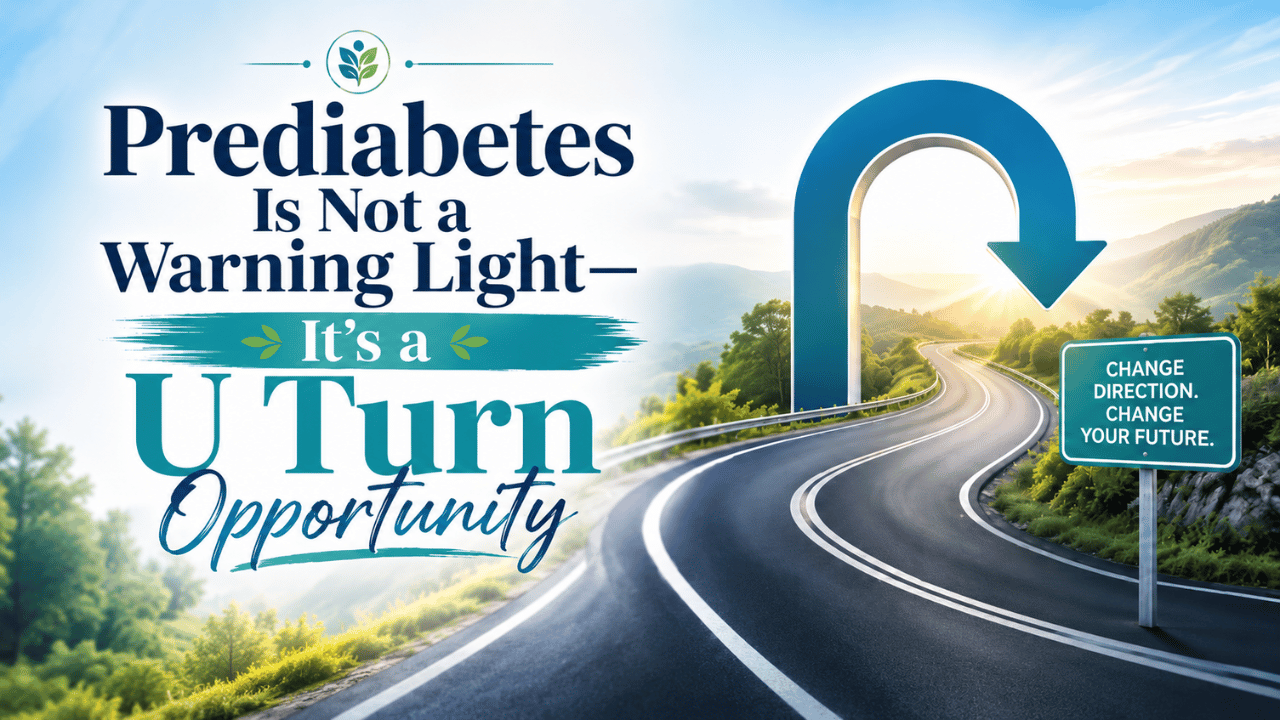
When “Borderline” Isn’t Benign
If you have been told you have “borderline” blood sugar or prediabetes, you did not receive a gentle warning; you were handed a fork in the road.
On one path, you accept a quick prescription, watch your numbers for a few months, and quietly collect more diagnoses over...
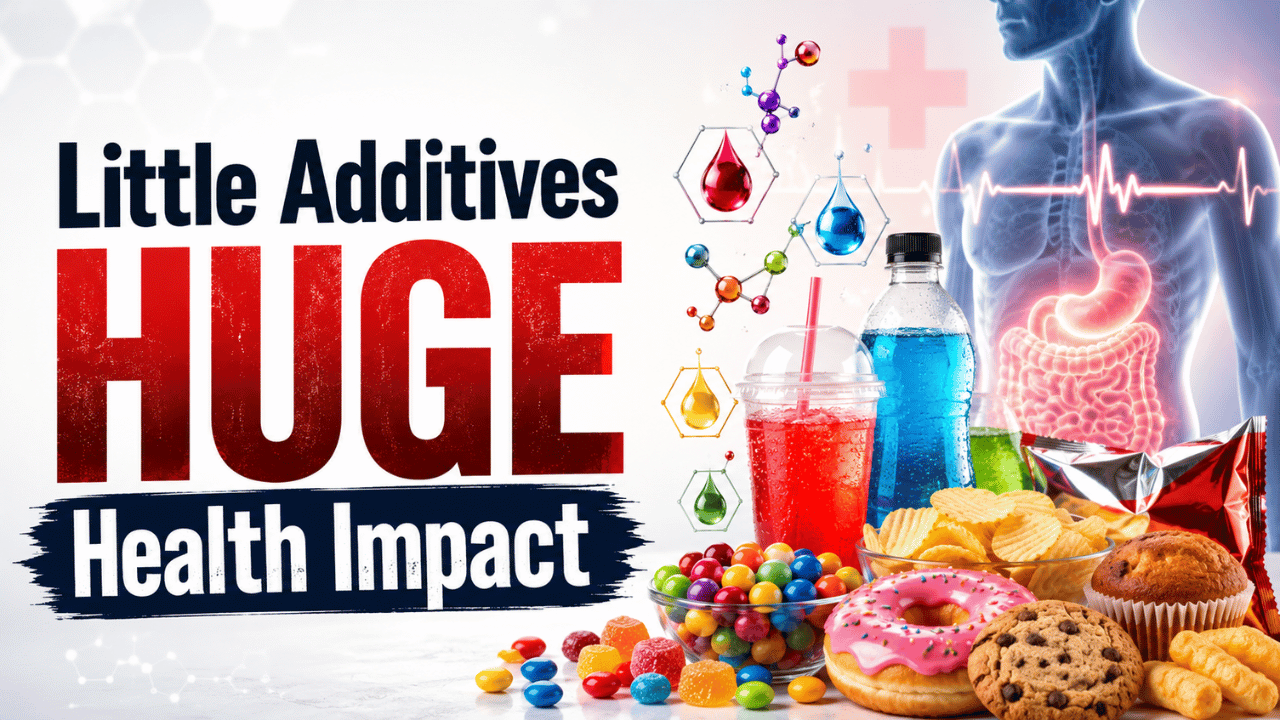
For years, many of my patients have heard the same reassuring line:
“Don’t worry, it’s just a little preservative… just a bit of color.”
But new large-scale research is confirming what many of us in functional and nutritional medicine have suspected for a long time: those “little extras” in your fo...

A recent headline made a simple point worth paying attention to: if your plastic food containers are cracked, cloudy, or worn out, it may be time to let them go. In functional medicine, we often look at health through the lens of total body burden, which means paying attention not only to what we ea...
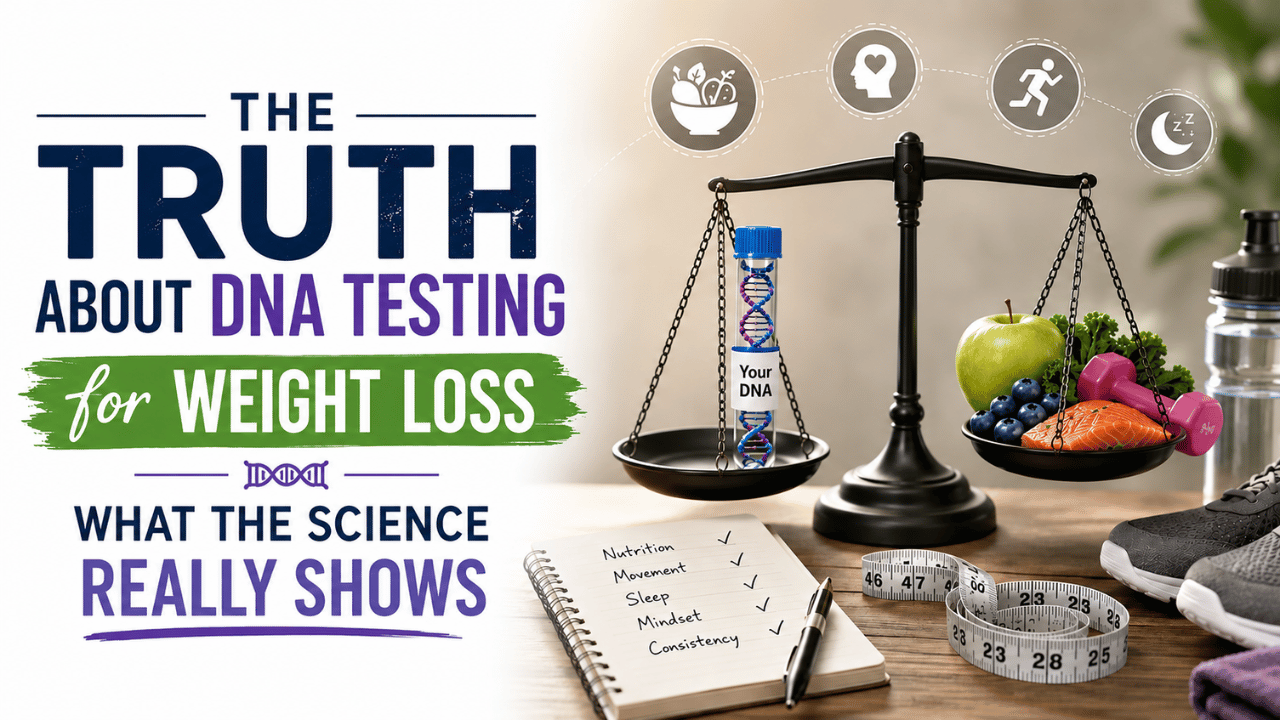
You've probably seen the advertisements: "Unlock your genetic code to lose weight!" "Personalized nutrition based on your DNA!" Gene-based weight loss programs promise a revolutionary approach to shedding pounds by tailoring diet and exercise to your unique genetic makeup.
But does the science sup...
Why Every Diet Backfires
Most people fighting their weight are not lazy, weak, or “noncompliant” – they are fighting powerful survival biology that actively pushes them back to a higher weight, more body fat, and less muscle after every diet.
Why diets keep “failing” you
After significant weight ...

The holidays are meant to fill your heart, not drain your health. This year, instead of ending December feeling bloated, inflamed, and exhausted, you get to choose a different story: one where you step into January clear-headed, energized, and proud of how you cared for your body and the people you ...
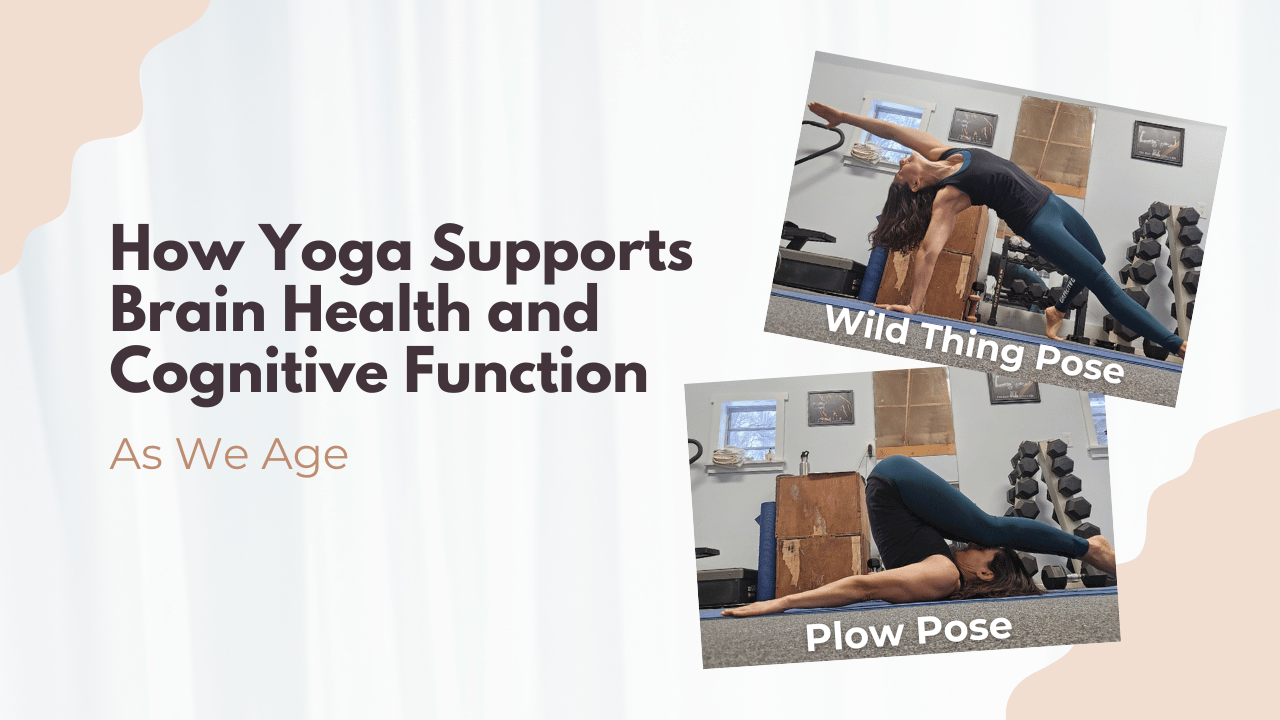
Why we all need YOGA
Yoga can be a powerful, low-risk way to support brain health as we age, including and especially for people living with Parkinson’s. This study looked at how a gentle Hatha yoga program affected thinking skills like attention, memory, and reasoning in older adults over 12 weeks...
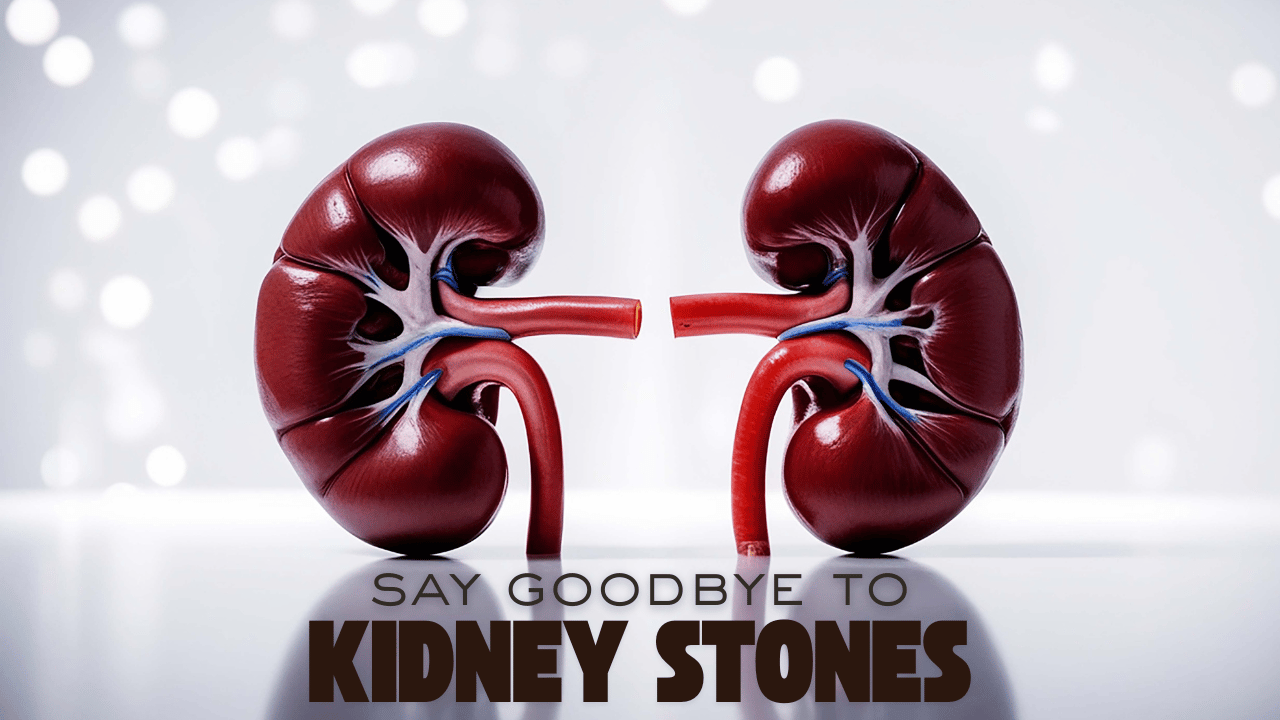
Let’s face it: Kidney stones are the “bad boys” of body drama. They show up uninvited, bring their pain party, and make you rethink every glass of water you ever skipped. But fear not! Healing can be delicious, quirky, and maybe even a little funny—so long as you’re armed with these home remedies.
...
Most women are never told this—but some of the strongest influences on breast cancer risk aren’t genetics or mammogram schedules. They’re the everyday signals your breast tissue receives from products, hormones, light exposure, and medication choices. And the empowering part? These signals can be ch...

The Science: Meal Timing and Longevity
Research continues to show that lifestyle factors like eating a nutrient-dense diet, exercising, sleeping well, and managing stress are the foundation of living longer and healthier. However, new studies add a crucial twist: the time of day you eat—especially ...
